What Is PDPL in Saudi Arabia? The Complete Personal Data Protection Compliance Guide
A plain-language explainer of Saudi Arabia's PDPL: what it is, who it applies to, the penalties, and a practical step-by-step compliance checklist.
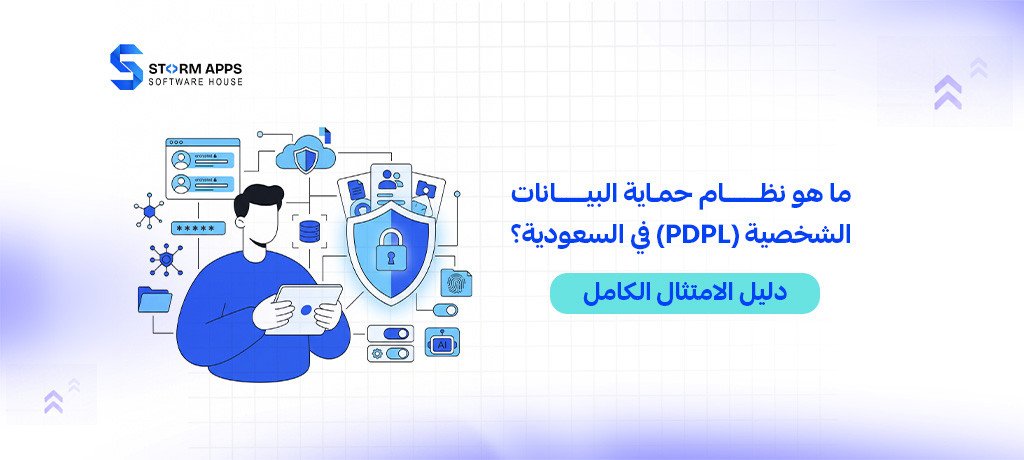
In short: the Personal Data Protection Law (PDPL) is Saudi Arabia's law governing how personal data is collected, processed, stored, and shared, enforced by the Saudi Data & AI Authority (SDAIA). Any entity handling the data of individuals in the Kingdom — local or international — must comply, and non-compliance exposes it to fines and legal action.
As Saudi Arabia accelerates its digital transformation under Vision 2030, personal data has become a sensitive asset that must be protected. PDPL gives individuals more control over their data and holds organizations to clear standards. This guide explains what the law is, who it applies to, and how to make your app and website compliant, step by step.
What is the Personal Data Protection Law?
It is the legal framework defining how organizations must collect, process, store, and dispose of personal data. Its goal is to protect individuals' privacy and regulate data flows in a way that strengthens trust in the Saudi digital economy.
Who does it apply to?
Every public or private entity processing the personal data of individuals residing in Saudi Arabia — including companies outside the Kingdom that process Saudis' data (such as e-commerce stores and global apps). Whether you are a small shop or a large enterprise, if you collect names, phone numbers, or payment data, the law concerns you.
What is personal data?
Any data that identifies an individual directly or indirectly: name, national ID, phone number, email, geolocation, payment data, photos, and even device identifiers. A more sensitive category (health, religious, and biometric data) requires stricter protection.
A practical compliance checklist
- Consent: obtain clear, explicit consent before collecting data, and make withdrawal easy.
- Purpose limitation: collect data for a specific, stated purpose and use it only for that.
- Data minimization: collect only the minimum necessary.
- Individual rights: let users access, correct, and delete their data.
- Security: encrypt data, control access, and monitor it.
- Privacy policy: publish a clear policy explaining what you collect and why.
- Breach reporting: have a process to report any breach within the statutory period.
What are the risks of non-compliance?
Non-compliance exposes an organization to financial penalties and legal action, and — most damaging — a loss of customer trust that is hard to rebuild. Conversely, compliance is a competitive edge that opens doors to contracts with government bodies and large companies that require strict data protection.
How do you make your system compliant?
Compliance is not just a legal document; it starts with the system design itself (privacy by design): real consent mechanisms, encryption, access control, and secure archiving. Adding these later is costly, while building them from the start is easier and cheaper.
Storm Apps builds PDPL-compliant apps and websites from day one and audits your existing systems to close gaps. Contact us to review your compliance and protect your customers' data.